
Arizona Archaeological Society


Introduction

The San Tan Chapter formed in May 2008 and was formally chartered as a member of The Arizona Archaeological Society on October 4, 2008. The Arizona Archaeological Society is an independent nonprofit corporation. Members are eligible to participate in field trips, excavations, surveys, lab work, and other areas of archaeological interest.   Each member also receives a copy of the annual publication of the Society, The Arizona Archaeologist, together with the monthly newsletter, The Petroglyph. The San Tan Chapter meets at 6:00 PM and the presentation starts at 6:30 PM, this happens on the second Wednesday of each month September through May, at the San Tan Historical Museum located at 20435 S Old Ellsworth Rd, Queen Creek 85142.  Monthly meetings are free and open to the public. 

We encourage you to pay membership fees directly to the San Tan Chapter by check or cash.  This enables the STC to receive its portion of the dues in a timely manner.  Fees are used for guest speakers, group activities, and our annual potluck.

To get a copy of the membership form click below and a copy will be downloaded to your computer.

Click here for Membership Form


=====================================================

                                                  Giving back to our Community

Thanks to all the Participants & Volunteers for stepping up to make this event FUN & Educational         

            Learning about the past through Archaeology

  Archaeology Expo Queen Creek, Arizona -- Hosted by the San Tan Chapter of the Arizona Archaeological Society

3rd Annual Event Completed April 6, 2024. It was a Fun, Friendly, Free unique Learning Opportunity and Experience.


2024 Participants

S.A.L.T. - an organization whose goal is to understand, practice, and share life skills and arts of the ancient world. This is accomplished by regular Skills Meeting. A list of skills/demos such as flintknapping, jewelry making, shell etching, cordage, friction fire to name a few.  For more on SALT visit    https://saltskills.com/

 SALT is planning on setting up an ATLATL area behind the Museum, find out what it is and try it out.

Maricopa County Parks - Nikki Bunnell San Tan Mountain Regional Park Ranger.

Make a Mini Adobe Brick  : led by Jim Britton - An Avocational Archaeologist 

San Tan Chapter of the Arizona Archaeological Society - crafts/displays such as make your own Petroglyph or Pictoglyph, try out the ancient Pump Drill , view a Pit House Diorama, view arrow heads and pot sherds.  Make a Husk Doll Figure, mini gourd mask, learn about Shell Etching.

The Story of Cotton - Maggie Dawqley displays/samples

Textile Weaving -  Gail Biesen

Teepee Display and grind corn on Metate/Mano. Learn how to start a Fire using a Bow Drill-    Mari & Dalen Townsend

Pinal County Historical Museum -Executive Director Stephanie Joyner shares information on Florence , Az https://www.pinalcountyhistoricalmuseum.org/

Safe Hiking in the DesertWilson Allen 

Pottery Making using Air Dry Clay -Peter Huegel

San Tan Historical Society - Kitty DeSpain  Museum Gift Shop 

Arizona Site Stewards : led by John Dawley.   The Arizona Site Steward Program is an organization of volunteers, in partnership with public land managers of Arizona (US Forest Service, AZ State Lands, BLM, and other jurisdictions), whose members are selected, trained and certified by Arizona State Parks & Trails (ASPT). The chief objective of the Stewards Program is to deter the theft of antiquities and report to the land managers any destruction or vandalism of prehistoric and historic archaeological and paleontological sites in Arizona through site monitoring.


=====================================================

INTRIGUING TIDBITS

"A Hopi archaeologist reflects on the discipline: Science Moab speaks with Lyle Balenquah about Indigenous perspectives on archaeology"

https://www.moabsunnews.com/get_out_and_go/article_6369feec-2246-11ec-a69a-03063f85a261.html

"How Pottery Offers Glimpses Into Ancient Foodways"

https://www.sapiens.org/archaeology/pottery-ancient-food/?ms=sat_email&utm_campaign=sat&utm_medium=email&utm_source=aswemail&emci=2c3b3029-3c16-ec11-981f-501ac57ba3ed&emdi=7467cefb-3d16-ec11-981f-501ac57ba3ed&ceid=11906

"A Hopi farmer works to sustain corn-growing traditions in the face of a changing climate"

https://www.azcentral.com/story/news/local/arizona-environment/2021/09/12/hopi-farmer-guards-traditions-growing-corn-amid-climate-change/8235766002/?ms=sat_email&utm_campaign=sat&utm_medium=email&utm_source=aswemail&emci=2c3b3029-3c16-ec11-981f-501ac57ba3ed&emdi=7467cefb-3d16-ec11-981f-501ac57ba3ed&ceid=11906

______________________________________________________________________________________________________

Chapter Officers

 2020 Office  Office Holder Contact Information
President Marie Britton

mbrit@cox.net

Vice-President Marie Renner
Treasurer Jim Britton 
Secretary Kat Karpinen

Director1/Program Director Carlos Acuña 

Director2 John Dawley
Director3/Archivist Keith Johanson
Membership Marie Britton


Archaeological Advisor Chris Loendorf

Speaker Schedule


****************************************************************************************

LOVE HISTORY?

LIKE TO LEARN MORE?

Join one of our meetings for a closer look at:

San Tan Chapter of the Arizona Archaeological Society

Learn about Arizona Prehistory and More!

Meet Professional Archaeologists! Participate in field trips and workshops

Meetings are free and open to the public

The Second Wednesday of each month

September through May,  meet at 6:00 p.m. with presentation starting at 6:30 p.m.

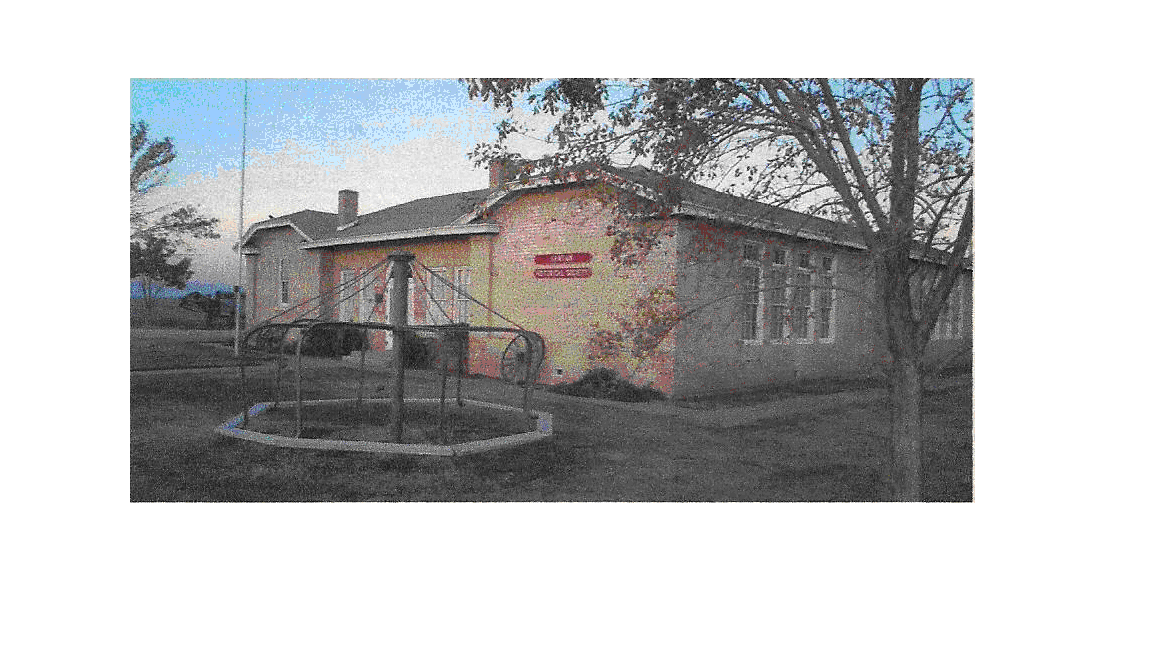
We meet at the San Tan Historical Society Museum

(The Historic Rittenhouse School)

Southeast Corner of Ellsworth and Queen Creek Roads


****************************************************************************************************************************

 SE AZ Culture Periods     SW Agricultural Cultures    ASM SW Cultural     AZ 5 Prehistoric Cultures    Pueblo Periods

Quick Content Links:

 Get Out and Enjoy/Experience Arizona

Recommend Books to Read

Knowledge_Bites

Old Is New

Events/Field Trips


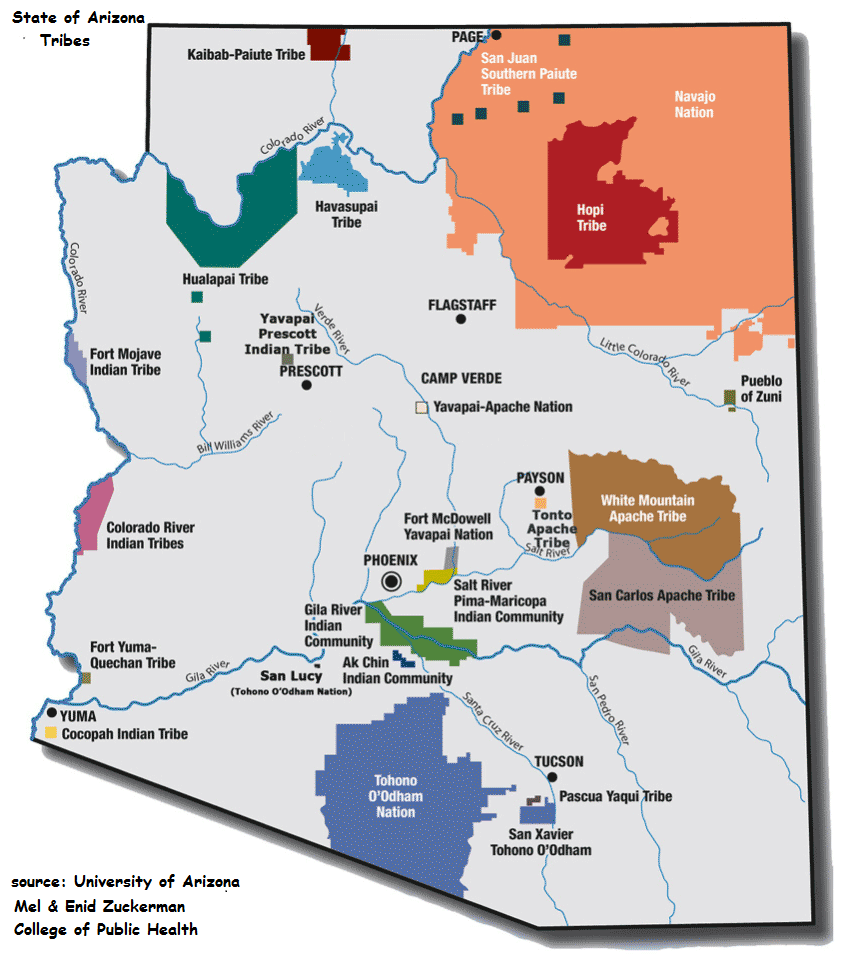
ARIZONA'S NATIVE AMERICANS


****************************************************************************************************************************


 GET OUT AND EXPERIENCE ARIZONA: 

Archaeological Parks and Prehistoric Native American Ruins of Central Arizona

https://www.ajpl.org/wp/wp-content/uploads/2016/04/Arch-20171114.pdf

Platform Mounds of the Arizona Desert

https://www.penn.museum/documents/publications/expedition/PDFs/35-1/Rice.pdf

Tonto Basin

https://www.archaeologysouthwest.org/pdf/Jacobs-Tonto-Basin.pdf


< TOP >

RECOMMENDED BOOKS TO READ: 


The Mind In The Cave by David Lewis Williams

"Emerging from the narrow underground passages into the chambers of caves such as Lascaux, Chauvet, and Altamira, visitors are confronted with symbols, patterns, and depictions of bison, woolly mammoths, ibexes, and other animals.

Since its discovery, cave art has provoked great curiosity about why it appeared when and where it did, how it was made, and what it meant to the communities that created it. David Lewis-Williams proposes that the explanation for this lies in the evolution of the human mind. Cro-Magnons, unlike the Neanderthals, possessed a more advanced neurological makeup that enabled them to experience shamanistic trances and vivid mental imagery. It became important for people to "fix," or paint, these images on cave walls, which they perceived as the membrane between their world and the spirit world from which the visions came. Over time, new social distinctions developed as individuals exploited their hallucinations for personal advancement, and the first truly modern society emerged.

Illuminating glimpses into the ancient mind are skillfully interwoven here with the still-evolving story of modern-day cave discoveries and research. The Mind in the Cave is a superb piece of detective work, casting light on the darkest mysteries of our earliest ancestors while strengthening our wonder at their aesthetic achievements."

---copied from goodreads.com


Guns, Germs and Steel by Jared Diamond

" ... Jared Diamond convincingly argues that geographical and environmental factors shaped the modern world. Societies that had a head start in food production advanced beyond the hunter-gatherer stage, and then developed writing, technology, government, and organized religion—as well as nasty germs and potent weapons of war—and adventured on sea and land to conquer and decimate preliterate cultures. A major advance in our understanding of human societies, Guns, Germs, and Steel chronicles the way that the modern world came to be and stunningly dismantles racially based theories of human history."

--- copied from goodreads.com

Images of the Past by T. Douglas Price & Gary M. Feinman

" ...site-by-site survey of prehistory captures the popular interest, excitement, and visual splendor of archaeology as it provides insight into the research, interpretations, and theoretical themes in the field. "

--- copied from goodreads.com

Digging into History by Paul S. Martin  Published by: Chicago Natural History Museum 

"Digging into History is a popular account of the excavations of Martin and associates in the Pine Lawn Valley, New Mexico, and neighboring areas.  It is this and more.  A very good account for the layman, it also offers a distillation of Martin's reflections on the social implications of the archaeological data gathered through fifteen years of digging.  It is a thoughtful postscript to a long series of reports.

The contents fall easily into two general parts.  The first contains background information;  the hows and whys of archaeology, and the time and space framework of Southwest Archaeology.  Martin's prologue presents the background for the American Indian cultures.  Migration of Asiatics to America if followed by Southwestern and Mexican occurrences of the Paleo-Indian big game hunters.  The Desert Culture basis of the Cochise sequence, and the importance of its gathering economy in the transition to the agriculture of the Cochise-derived Mogollon Culture are porttrayed."

--- copied from The University of Chicago Press Journals


Archaeology from Space: How the Future Shapes of Past

"In Archaeology from Space, Sarah Parcak shows the evolution, major discoveries, and future potential of the young field of satellite archaeology. From surprise advancements after the declassification of spy photography, to a new map of the mythical Egyptian city of Tanis, she shares her field’s biggest discoveries, revealing why space archaeology is not only exciting, but urgently essential to the preservation of the world’s ancient treasures.

Parcak has worked in twelve countries and four continents, using multispectral and high-resolution satellite imagery to identify thousands of previously unknown settlements, roads, fortresses, palaces, tombs, and even potential pyramids. From there, her stories take us back in time and across borders, into the day-to-day lives of ancient humans whose traits and genes we share. And she shows us that if we heed the lessons of the past, we can shape a vibrant future."

--- copied from goodreads.com


I AM THE GRAND CANYON

"I Am the Grand Canyon is the story of the Havasupai people. From their origins among the first group of Indians to arrive in North America some 20,000 years ago to their epic struggle to regain traditional lands taken from them in the nineteenth century, the Havasupai have a long and colorful history. The story of this tiny tribe once confined to a toosmall reservation depicts a people with deep cultural ties to the land, both on their former reservation below the rim of the Grand Canyon and on the surrounding plateaus.

In the spring of 1971, the federal government proposed incorporating still more Havasupai land into Grand Canyon National Park. At hearings that spring, Havasupai Tribal Chairman Lee Marshall rose to speak. “I heard all you people talking about the Grand Canyon,” he said. “Well, you’re looking at it. I am the Grand Canyon!” Marshall made it clear that Havasu Canyon and the surrounding plateau were critical to the survival of his people; his speech laid the foundation for the return of thousands of acres of Havasupai land in 1975.

I Am the Grand Canyon is the story of a heroic people who refused to back down when facing overwhelming odds. They won, and today the Havasupai way of life quietly continues in the Grand Canyon and on the surrounding plateaus."

--- copied from goodreads.com


The Mind In The Cave by David Lewis Williams


"Emerging from the narrow underground passages into the chambers of caves such as Lascaux, Chauvet, and Altamira, visitors are confronted with symbols, patterns, and depictions of bison, woolly mammoths, ibexes, and other animals.

Since its discovery, cave art has provoked great curiosity about why it appeared when and where it did, how it was made, and what it meant to the communities that created it. David Lewis-Williams proposes that the explanation for this lies in the evolution of the human mind. Cro-Magnons, unlike the Neanderthals, possessed a more advanced neurological makeup that enabled them to experience shamanistic trances and vivid mental imagery. It became important for people to "fix," or paint, these images on cave walls, which they perceived as the membrane between their world and the spirit world from which the visions came. Over time, new social distinctions developed as individuals exploited their hallucinations for personal advancement, and the first truly modern society emerged.

Illuminating glimpses into the ancient mind are skillfully interwoven here with the still-evolving story of modern-day cave discoveries and research. The Mind in the Cave is a superb piece of detective work, casting light on the darkest mysteries of our earliest ancestors while strengthening our wonder at their aesthetic achievements."

--- copied from goodreads.com


Primitive Technology: A Book of Earth Skills edited by David Wescott


"Have You Ever Longed To Return To A Past Where Humanity's Greatest Concern Was Survival, When Our Hands Created Life's Necessities, When The Land's Raw Provisions Were The Materials With Which We Created Warmth, Shelter, Food, and Tools--A Time Before We Lost Our Bond With The Wilderness? Primitive Technology Helps Build A Bridge Between The Ancient Past and Our Modern Lives, Putting Us In Touch Again With Nature and Ourselves. This Volume--A Selection of Articles Within The Bulletin of Primitive Technology--Portrays The History, Philosophise, and Personal Journeys of Authorities On Primitive Technology, Imparting Skills That Built The Success of Mankind. From Views On Primitive Technology and "New" Archaeology To Making Fire and Tools of Bone, This Book Is Informative and Enlightening"                                         --- copied from goodreads.com


House of Rain - Tracking a Vanished Civilization Across The American Southwest by Craig Childs

"KIRKUS REVIEW

Naturalist and NPR commentator Childs (Soul of Nowhere, 2002, etc.) chronicles his research trips following in the footsteps of a native population that flourished, then mysteriously disappeared, in pre-Columbian America.

His subject: the Anasazi, ancestors of today’s Hopi. These Southwestern hunters and farmers lived in some of North America’s most unforgiving terrain, blisteringly hot and dauntingly arid, yet they developed a rich culture that survived hundreds of years and multiple migrations. The author travels along those migratory routes, pursuing the Anasazi over a period of years with many different companions, including his wife, infant son and stepfather, as well as various archaeologists and a few modern-day desert-rats. He battles fire, infernal summer temperatures, brutal winter cold and wind. Water tends to be either absent or overabundant; at one point, he allows a flash flood to transport him, sans clothes, downstream to his destination. He begins at Chaco Canyon in northwest New Mexico and meanders through Colorado, Utah, Arizona and northwest Mexico, where his quest ends in a recently plowed field choked with potsherds hundreds of years old. The author has interviewed (and frequently traveled with) numerous authorities on the pottery, geology, architecture and agriculture of these enigmatic people. His text is rich in geographical and archaeological detail about raising corn, breeding macaws, beheading turkeys and more. Childs considers conventional thinking, then weighs in with his own theories, earned the old-fashioned way, by walking tough terrain to sites untouched for centuries. Evoking these places where people ground corn, procreated, celebrated and slaughtered one another, he displays surpassing curiosity and profound reverence.  "


Hidden Scholars:Women Anthropologists and the Native American Southwest by Dr. Nancy Parezo

Women scholars, writers, curators, and philanthropists have played important roles in the study of Native American cultures of the Southwest. For much of the twentieth century, however, their work has been overlooked. The essays in this book, which grew out of the landmark conference known as Daughters of the Desert, help to rectify the appropriation, erasure, disparagement, and invisibility that many women anthropologists have suffered.
A number of essays are biographical or intellectual histories, such as Parezo on Matilda Coxe Stevenson, Hieb on Elsie Clews Parsons, Babcock on Ruth Benedict, Lamphere on Gladys Reichard, and Lange on Esther Goldfrank. Others provide an overview of women archaeologists (Cordell), philanthropists (McGreevy), and popular writers (Tisdale). Still others assess the contributions of women to a particular subfield, such as Sand on the Yaquis and Hinton on women linguists. This volume goes beyond celebration, however, to provide a critical contribution to anthropological history.                                                                                           --- copied from amazon.com

The Lost World of the Old Ones by  David Roberts

"For more than 5,000 years the Ancestral Puebloans—Native Americans who flourished long before the first contact with Europeans—occupied the Four Corners region of the southwestern United States. Just before AD 1300, they abandoned their homeland in a migration that remains one of prehistory's greatest puzzles. Northern and southern neighbors of the Ancestral Puebloans, the Fremont and Mogollon likewise flourished for millennia before migrating or disappearing. Fortunately, the Old Ones, as some of their present-day descendants call them, left behind awe-inspiring ruins, dazzling rock art, and sophisticated artifacts ranging from painted pots to woven baskets. Some of their sites and relics had been seen by no one during the 700 years before David Roberts and his companions rediscovered them.

In The Lost World of the Old Ones, Roberts continues the hunt for answers begun in his classic book, In Search of the Old Ones. His new findings paint a different, fuller portrait of these enigmatic ancients—thanks to the breakthroughs of recent archaeologists. Roberts also recounts his last twenty years of far-flung exploits in the backcountry with the verve of a seasoned travel writer. His adventures range across Utah, Arizona, New Mexico, and southwestern Colorado, illuminating the mysteries of the Old Ones as well as of the more recent Navajo and Comanche.

Roberts calls on his climbing and exploratory expertise to reach remote sanctuaries of the ancients hidden within nearly vertical cliffs, many of which are unknown to archaeologists and park rangers. This ongoing quest combines the shock of new discovery with a deeply felt connection to the landscape, and it will change the way readers experience, and imagine, the American Southwest.  "         --- copied from goodreads.com

Wolfkiller: Wisdom from a Nineteenth-Century Navajo Shepherd

recorded by Louisa Wade Wetherill / compiled by Harvey Leake

"Fascinating history and compelling storytelling make Wolfkiller, the memoir of a Navajo shepherd man who lived in the Monument Valley region of the Southwest, a page-turning epic. In these stories compiled by Harvey Leake, Wolfkiller shares the ancient wisdom of the Navajo elders that was passed to him while a boy growing up near the Utah/Arizona border. Wolfkiller's story was recorded and translated by pioneer trader Louisa Wade Wetherill, an unlikely pairing that came together when she moved to this remote area of southern Utah in 1906. Wetherill recognized that Wolfkiller was a man of exceptional character, with lessons and wisdom of the Navajo that deserved to be recorded and preserved for the benefit of future generations.

Over the course of many years, Wolfkiller told his stories to Wetherill who translated them into English. When the manuscript was completed in 1932, modern society was simply not ready for it. Rejected by publishers, the document languished in the family archives until today, long after Wolfkiller and Mrs. Wetherill were gone, it can now be recognized as a unique and profound book that speaks to modern culture's compulsive rush away from nature.

Included are photographs of Wolfkiller and the Wetherills, all taken from about 1906 to 1926. More than forty other historical photographs are also included.

"If Mrs. Wetherill could be persuaded to write on the mythology of the Navajos, and also on their present-day psychology-by which somewhat magniloquent term I mean their present ways and habits of thought-she would render an invaluable service. She not only knows their language; she knows their minds. . . ." Theodore Roosevelt, after visiting the Wetherill trading post in 1913 " --- copied from Amazon.com


  < TOP >

KNOWLEDGE BITES:

Native American Inventions

https://www.thoughtco.com/native-american-inventions-1991632

Projectile Point Analysis of American Southwest

http://arizonaarchaeologicalcouncil.org/resources/Documents/JAZA/JAzArch%204_2/JAzArchV4N2_2017_Full%20Issue.pdf

g%20techniques.pdf 

< TOP > 

WHAT'S OLD IS NEWS: ( source; various )

Archaeologist discovers Copper Arrowhead in the Yukon Territory

https://archaeologynewsnetwork.blogspot.com/2018/01/lucky-find-gives-archaeologists-glimpse.html

< TOP >


----------------------------------------------------------------------------------------------------------------------------------

Speakers:

           The San Tan Chapter meetings are held at the San Tan Historical Society Museum at 20425 S Old Ellsworth Rd in Queen Creek                               

******************************************************************************************************

Recordings:

February:  12, 2025   Dr. William E. Doolittle is the Professor Emeritus- Erich W. Zimmermann Regents Professor in Geography and the Chairman of the Department of Geography at The University of Texas at Austin. He received his  PhD 1979 University of Oklahoma, Geography and Archaeology. Dissertation research in Sonora, México. Four books and dozens of articles and chapters.

Topic:  “A Biography of the Safford Valley Grids Project.”

https://us06web.zoom.us/rec/share/2eK2wDyKdHOCFGXmhZ2SFMBIvH5whx8E9X_sXNi_M3f419c25Oc7OGIa2YYUZRY_.wkxZHlA1mH9XjI6K?startTime=1739409596000

Passcode: dgMDq8c=

March:  12, 2025   Kathleen Springer and Jeff Pigait Research Geologist U.S. Geological Survey (USGS) Geosciences and Environmental Change Science Center

Topic:  Ancient Human Footprints

https://us06web.zoom.us/rec/play/KPK2cpBgAk5x49rfESsrGxD8wdNw6tYD4czdxI9zn7gNWXQQGwG-ZBIVUpYWe8IiYLGWjLEd7LzujtA.X3VQyslFaRyEU4SI?accessLevel=meeting&canPlayFromShare=true&from=share_recording_detail&continueMode=true&componentName=rec-play&originRequestUrl=https%3A%2F%2Fus06web.zoom.us%2Frec%2Fshare%2FfiQGcBo5iYRc-fkJFEnI2oZlax46MHPV_qY0W0whA7HzeviCU7aqAPrGzkX-9pc2.SviWaeD2JQ6jCRnI

Passcode: *jkc5KK4

April: 9, 2025 Dr. Tom Connolly University of Oregon Museum of Natural History & State Museum of Anthropology

Topic: "When did humans start wearing shoes?" "The oldest known sandals are from Oregon, but there may be older shoes out there.

https://us06web.zoom.us/rec/play/fPno-TU0QluR2pPEqzG7IB-WxSFo7gzt1WzRIZctw3sSGPanhYYp26Yvsx-C7N2QNqHBVpwmP2hdNCkd.Ytz3Wd0GpRN5yt4A?accessLevel=meeting&canPlayFromShare=true&from=share_recording_detail&continueMode=true&componentName=rec-play&originRequestUrl=https%3A%2F%2Fus06web.zoom.us%2Frec%2Fshare%2FukLcaPQZCTLOIwN9RXeRZlCVr_kfGjMvDhN3AE6r4wPqZ2wAteD49Iwm5C9ME80q.Y_Vn_2XipfD8nO6Q

Passcode: a&1%n+x#

May: 14, 2025   Dr. Aaron Wright Preservation Anthropologist, Archaeology Southwest

Topic:  The Great Bend

https://us06web.zoom.us/rec/share/A1Sl8I6Nd6bKT2msM-JgQWN_i0pKr3ucKnkm0lD0ZiH-MsGnFxN-uXsPMwoi5-M.HEsP2t-xkyj1lGN1

Passcode: ?Fv1bnk@ 


October 8, 2025  Caitlin Stewart, M.A., RPA Co-Owner & Director Cornerstone Environmental Consulting, LLC

Topic : Wilderness First Aid Basics 

https://us06web.zoom.us/rec/component-page?eagerLoadZvaPages=&isReferralProgramEnabled=false&isReferralProgramAvailable=false&accessLevel=meeting&action=viewdetailpage&sharelevel=meeting&useWhichPasswd=meeting&requestFrom=pwdCheck&clusterId=us06&componentName=need-password&meetingId=dUik76prm28uaRsLzNw2sBABYHnEdHp4HhIG9vxWJKlZHbbb_5Rw-NLfk4Rw8KF_.kI6c9i89S4J5zU1H&originRequestUrl=https%3A%2F%2Fus06web.zoom.us%2Frec%2Fshare%2FQUjz_XHWgu3T_ugYvRzocwkVpoZj8whTJKcdckD0QSJ2JSXzx8j4Q3_2efYGNaT5.nASxPU-P0vhal4Nn%3FstartTime%3D1759973450000

Passocde:  2RyL$5CU

September 10, 2025  Dr. G. Richard Scott, Foundation Professor of Anthropology, U. Nevada Reno

Topic:  Dental Anthropology

https://us06web.zoom.us/rec/share/uJpcyC2eRk7VjliGSfTlPYU-c37L0Y-24poZP4tLL9zTijLZNizQ1jX9TjEPIjtv.bDtThIdRm_rUDPa-

Passcode: ?R4WgS!h

January 14, 2026  Dr. Lisa Young from the The University of Michigan, Department of Anthropology 

Topic: Michigan's Mystery Relics: Fact or Fraud?  

https://us06web.zoom.us/rec/share/uogRcjLo8Khnf6QkoiGCNkqGDHblU90YnmHOngHW9_7VS0ZNztcb4YE05pHnOwTI.WVVGcRAPWEXXHVfM

Passcode: ?5w6%56w                                                                                                                                                                         

March 11, 2026 John Murray PhD Candidate Institute of Human Origins School of Human Evolution and Social Change Arizona State University, Tempe Az.

Topic:   "How did Middle Stone Age humans heat treat silcrete" 

https://us06web.zoom.us/rec/play/zME9HjJAERs3T0BcZptuRxL_YzMrFuk9C_4t0dHrN0YbSj5zZySXawEt2ahFV1W8Wze8c8vKdq_4c9Xy.gC1ey2s01dvMYlO7?eagerLoadZvaPages=sidemenu.billing.plan_management&accessLevel=meeting&canPlayFromShare=true&from=share_recording_detail&continueMode=true&componentName=rec-play&originRequestUrl=https%3A%2F%2Fus06web.zoom.us%2Frec%2Fshare%2F9zbczAZkPydSDlA8G2sFYk8wrgCRe-JFzOQaeGUbB3D6L9kWJ8U870HKmJjgfmWt.pye2KKGyOXI30wOf                                                                         

Passcode:w0#5QxsD                                                                                                                                                                                                                                                                                                                                                                                                              May 13, 2026  Dr. Jay Franklin Senior Associate Archaeologist/Principal Investigator Â· Logan Simpson 

Topic: Eastern Constellations: obsidian sourcing and how stone tools were made and acquired at the Sabino Canyon Ruin, Eastern Tucson Basin, Arizona

https://us06web.zoom.us/rec/share/oaIl-ZqGWh2K1zPosIaprEs76V-ugQFlsMa2jn6x42KXOp7qjN4jB9dZfHGmvs0l.4X-tLpNBbzb6yjhq?from=hub                                                                                                                                                              Passcode: @xR^h0r3

================================================================================

Schedule:  January - May, September - December  2026

***********************************************************************************

September 9, 2026    Alex Howard, Associate Archaeologist, Logan Simpson  ---ZOOM PRESENTATION BROADCASTING FROM THE MUSEUM

Alex is an archaeologist with more than 21 years of experience conducting cultural resource investigations across the American Southwest and Great Basin, including Nevada, Arizona, Utah, New Mexico, Colorado, and California. She has managed and participated in a wide range of projects. Her expertise spans both prehistoric and historic-period resources, with particular interest in historical archaeology, archival research, historic materials analysis, and interpretive reporting that integrates documentary and archaeological evidence.

Originally from Arizona, Alex earned her BA from Northern Arizona University and began her career in cultural resource management archaeology in the Phoenix area. She was also active in the Southwest Archaeology Team in Mesa, later serving on its board of directors. After years of professional practice, she completed an MA in Anthropology at the University of Nevada, Reno in 2024. She currently continues her work in CRM archaeology with Logan Simpson in Reno, Nevada, where she applies her field experience, technical expertise, and research background to a wide range of projects throughout the region.

Topic: Building a Boomtown: Downtown Aurora, Nevada from 1860 to 1864                                                                                                                                                                                                                                                             

The discovery of precious metals in the American West generated unparalleled interest in mining during the mid-to-late 19th century. The promise of wealth and steady work drew diverse groups to western mining towns. Beyond miners, a broad network of businesses and workers supported both mining operations and daily life for miners and their families.

As one of the initial boomtowns in Nevada, Aurora not only had an impact on the capitalistic system of Nevada but had a rich documentary record. This presentation provides an overview of the commercial district and economic landscape of Aurora, Nevada between 1860 and 1864. This archaeological project focused on the commercial district of a mining boomtown and employed three theoretical approaches to understand the relationship of the business district to the town: documentary archaeology, industrial capitalism and consumerism, and social identity.


                                                                                                                                                                                                                                                                                                                                                                                                                                                                                                                                                                                                                  October 14, 2026 Ken Zoll

Ken Zoll is a founding member of the Verde Valley Archaeology Center in Camp Verde, Arizona. He served as its first Executive Director from 2011 to 2021, when he was honored with the title of Executive Director Emeritus. Ken was also a founding member of the Society for the Cultural Astronomy of the American Southwest. He has conducted extensive fieldwork in ancient astronomical practices of the Southwest. He is the author of several books and articles in professional journals, on local ancient rock art and astronomical practices. His latest research involves meteorite fragments from Meteor Crater that were found at or near ancient Native American dwellings in central Arizona.

Ken was recently recognized by the Coconino National Forest on his 20th anniversary of volunteering as a docent at the cultural heritage sites. He received B.S. and M.B.A. degrees from Loyola University Chicago, and resided in Sedona and Scottsdale with his wife Nancy, after retiring from a 35-year Federal career in Chicago and Washington, D.C., including serving as the Executive Director of a Presidential Advisory Commission for President George H.W. Bush.

 Topic :    Heart of the Sky: Ancient Skywatchers of Central Arizona

Author Kenneth J. Zoll chronicles ancient astronomical practices of the American Southwest in his talk on his book Heart of the Sky: Ancient Skywatchers of Central Arizona. The book is the result of eight years of searching for evidence of the astronomical practices of the people who lived in Central Arizona over the past two thousand years. Through observation and study, many sites have now been documented to show that these ancient cultures had a sophisticated knowledge of their celestial surroundings.

The goal of cultural astronomy is to understand how early skywatchers fashioned and refined systems for regulating their calendars around celestial events, both cyclical and unique. The astronomical knowledge of the ancient cultures of the American Southwest included the sun, the moon and the stars. The most important of these natural elements was the sun. From Stonehenge to the Maya, evidence abounds of the religious-mythological status of the sun. To many cultures, the sun was the “heart of the sky.”

In Ken’s talk, he will describe how cultural astronomy studies involve naked-eye observations that relate astronomically significant dates with the orientation of an ancient place, setting, structure, pictograph, petroglyph or rock. He explains how we must look through their eyes to determine what these cultures could have learned just from observing the heavens over many years, without the benefit of today’s astronomical knowledge. From monitoring the cyclical rising and setting sun along the horizon, to the use of light and shadow as the sun moves across a panel of rock art images, sunwatchers monitored the sun and anticipated the times of equinoxes and solstices, as well as the times for planting and ceremonies.

With images of the sites he has studied, Ken presents an insightful and compelling study of the creativity and sophistication of these ancient sky watchers.

November 11, 2026 Amber Sampson from AZ Speaks Arizona Humanities                                                                                                                                                                                                                                                 Amber Sampson explores the world through food as a trained professional Chef, who also holds degrees in Cultural Anthropology, Food Systems Sustainability, and a Master's in Gastronomy. She studied food and race at Harvard University, brought ancient bread to life with fellow Anthropologists from Yale, and was awarded the prestigious US Government’s Gilman Scholarship for archeological research with Arizona’s O’odham Nations. Sampson's work brings present-day relevance to ancient meals, people, and cultures, giving others a taste and connection to our delicious past, revealing a more sustainable and understanding future. She sits on the Board of Directors for Slow Food Phoenix and was the Arizona representative for the Global Food Security Summit in Washington, D.C., and Terra Madre in Italy in 2024. Sampson has worked for Boston University, S'edav Va'aki Museum, Arizona State University, and the Arizona American Indian Tourism Association. Sampson was awarded the Arizona Humanities 50th anniversary climate conversations grant for a documentary on her food research. 

 Topic :    Arizona’s Ark of Taste Foods 

Chef and Cultural Anthropologist Amber Sampson brings you on a journey of taste around Arizona's heritage food history. Sampson will expand on Arizona's Ark of Taste, a living catalog of foods facing extinction, including the local, heritage, and native foods that are unique to Arizona's food history. Come learn about favorites, like White Sonora Wheat, teapry beans, and Ark of Taste foods like Black Sphinx dates, cholla buds, chilitipin pepper, and more. In learning about Arizona's food history, the people, producers, communities, and cultures behind each bite, you can better support your local food community and create a more sustainable food system.

Note: This presentation will include Sonoran foraged tea for the audience to enjoy as part of the experience. Please make sure this is okay for your site to have. The presentation can be done without it as well.


December 9, 2026 Dr Chris Loendorf is the Senior Project Manager for the Gila River Indian Community Cultural Resource Management Program. He received his Doctorate from the Arizona State University and has over 35 years of experience studying the Ancestral O'Odham.

Topic: TBD


                                                                                                                                                                                         ************************************************************************************                                                                                                                                                                                      January 13, 2027   


February 10, 2027   JJ and Mike Golio

Topic: TBD

March 10, 2027 

Topic: TBD

April 14, 2027   Dr. Summer Cherland 

Dr. Summer CherlandDr. Summer Cherland is an author, speaker, and educator. She researches, writes, and teaches about the historical significance of race and social justice in public and higher education, particularly in the urban Southwest. Her publications and presentations include investigations into the Chicano Movement, Civil Rights organizing, and leadership in the era of segregation. Dr. Cherland is also an expert on the scholarship of teaching and learning, faculty training, and the benefits of higher education to historically under-served populations.

Dr. Cherland is a faculty member at South Mountain Community College, where she teaches American, African-American, and Chicano history. In 2017, Dr. Cherland co-founded the South Phoenix Oral History Project with a group of students. SPOH is a student-led initiative to capture and preserve the untold stories of innovation, education, and equity in South Phoenix, Arizona.

She grew up playing and loving sports. For most of her childhood, she was either on the softball field or the sidelines of a football game. She's been a scorekeeper and statistician for various baseball, soccer, and football teams. Her appreciation for athletics goes beyond the field as well. She researches and writes on the importance of sports in the community and educational activism, including a published chapter on the fascinating history of black bowlers in the era of segregation. She loves teaching athletes and incorporates sports into many of her classes at SMCC. On her own time, Dr. C. is learning to golf.

In her spare time, Dr. Cherland enjoys exploring the state of Arizona, cheering for the Broncos and the Cardinals, and destroying wayward weeds in her garden.

Topic: "Archaeology 101"

May 12, 2027

Topic: TBD


***************************************************************************************

January 14, 2026  Dr. Lisa Young from the The University of Michigan, Department of Anthropology  ---VIDEO CONFERENCE PRESENTATION 

Lisa C. Young is a Teaching Professor in the department of anthropology at the University of Michigan. Her archaeological research examines changes in community organization and foodways of small-scale farming communities in the Homolovi area of northeastern Arizona. She is also interested in the histories of museum collections as a means of exploring the changing relationships between anthropologists, museums, and the communities from which these collections originated. Public outreach and community engagement with diverse stakeholders are an integral part of her work. 

Topic:  Michigan’s Mystery Relics: Fact or Fraud? 


Photo of a personOver a century ago, tablets with ancient writing were discovered in Michigan. Some argued they were relics of a lost civilization, while experts identified them as fake artifacts. Interest in these relics continues today. This talk examines questions about the evidence used to identify the authenticity of ancient artifacts, why these relics continue to intrigue people, and the ramifications of archaeological frauds. I will also explore parallels between the Michigan Relics and the lead objects found in Tucson during the 1920s.


Feb. 11, 2026    Rich Lange was the Associate Director of Arizona State Museum's Homol'ovi Research Program since its inception in 1983-84 until full retirement in 2018.. He led the survey of the Homolovi State Park area from 1985-89 and participated in the excavations thereafter. He also conducted survey in the Rock Art Ranch area and directed the excavations at the Multi-Kiva Site south of the Rock Art Ranch. He received his undergraduate degree from the University of Illinois-Urbana in 1974 and his MA from the University of Arizona in 1977. His work in the Sierra Ancha of central Arizona was a follow-up to work done on ASM’s APS Cholla-Saguaro powerline project he was involved with from 1977-1979. Work in the Sierra Ancha began in 1981 and continued through 1996. 

Topic:  The Center of the Universe: Archaeology and Cliff Dwellings of the Southeastern Sierra Ancha 

The imageThe Powerpoint presentation will cover the documentation done on primarily the cliff dwellings in the Cherry Creek area off the eastern side of the Sierra Ancha. This work began in 1981 as an offshoot of surveys and excavations done by the Arizona State Museum’s contract archaeology division in this same general area, and was started to fill in a gap in understanding what was going on in this general area. The last formal archaeological work had been done in the 1930s. The decades of work, and hundreds of photos and pages of notes and measurements have given us a better understanding of who was living there and when this extremely rugged area was occupied. Come and see these spectacular sites and canyons the easy way!


 March 11, 2026 John Murray PhD Candidate Institute of Human Origins School of Human Evolution and Social Change Arizona State University, Tempe Az.

John received his bachelor's degree in Anthropology from Stony Brook University on Long Island where he grew up. He went on to complete his Master’s in Anthropology at the University of Victoria in British Columbia. Currently, he is a limited term faculty member in the Social Sciences Department at Glendale Community College and a PhD candidate at Arizona State University in the School of Human Evolution and Social Change. John’s research focuses primarily on the origins of modern humans and dispersal out of Africa, and he has conducted field work in Jordan, Kenya, and South Africa.

Topic:   "How did Middle Stone Age humans heat treat silcrete" 

John Murray

The application of fire to stone raw material (i.e., lithic heat treatment) to improve its quality for toolmaking is one of the first physically transformative technologies in human evolution. Currently, the earliest evidence for this technology is the heat treatment of silcrete ~162,000 years ago (ka) at the Pinnacle Point site complex in South Africa. Many researchers argue that heat treatment is among the earliest evidence for our ability to recognize and combine abstract concepts through analogical reasoning and may be evidence of advanced cognition or our unique form of social learning. However, this is debated due to our limited understanding of the heat treatment process by Middle Stone Age hunter-gatherers. Here, I will provide an overview of this debate and how I am currently addressing this issue through experimental archaeology and novel method development.


Apr. 8, 2026 Douglass R. Newton has been an Arizona Site Steward for 32 years. He started in 1992 and had one site, the Eagletail petroglyph site which requires a hike of 4 miles to get to the site and is in a BLM wilderness area. Doug obtained a master’s degree in plant biology at Arizona State University. His thesis was to gather a flora of the plant species growing in the Eagletail mountain area. As an Arizona Regional Site Steward, he has responsibility for two regions, the Tonopah region and the Central region.

Topic: Corn in the Eagletail mountains and the relationship between the Yavapai on April 8, 2026.                                                                                                                                                                                                                                                                                                                                                                                                                                                                 

May 13, 2026  Dr. Jay Franklin Senior Associate Archaeologist/Principal Investigator Â· Logan Simpson                                                           His primary research interests include prehistoric hunter gatherers, cave and rock art, and prehistoric stone tools and pottery. Franklin has more than 30 years of experience in archaeology and cultural resource management. ---ZOOM PRESENTATION BROADCASTING FROM THE MUSEUM

His archaeological experience spans Arizona, Texas, Missouri, the southeastern United States, North Dakota, and France. He has worked extensively in academia and cultural resource management to design and conduct numerous large and small projects from archaeological surveys to data recovery. Before coming to the private sector in Arizona, Franklin had been awarded more than $1 million in funding, including research grants and contracts funded by the National Geographic Society, Cherokee Preservation Foundation, The Tennessee Historical Commission, and the Tennessee Department of Transportation (TDOT). In Arizona, he has managed dozens of cultural resource projects from small surveys to large data recovery projects with several agencies as well as private firms. Elsewhere, Jay has directed archaeological projects from the Paleolithic to the early historic eras, from caves and rock shelters to medieval and early historic architectural sites. His primary research experience includes analyzing and interpreting prehistoric stone tools and pottery. He has extensive experience with archaeological curation; he designed, obtained funding for, and managed the East Tennessee State University Valleybrook Archaeological Education and Curation Center, a 10,000-square foot facility that houses archaeological collections from TDOT federal highway projects. Franklin also has extensive experience in public archaeology, including collaboration on conceiving, designing, and opening the Pickett State Park (TN) Archaeology Museum. His work with several colleagues has also been featured in a PBS documentary entitled, Secrets of the Nolichucky River (https://www.pbs.org/video/secrets-of-the-nolichucky-river-0wfswb/). His research has been presented at professional conferences and published in several leading archaeological and scientific journals from state to international levels.                                                                                                                                           

Topic: Eastern Constellations: obsidian sourcing and how stone tools were made and acquired at the Sabino Canyon Ruin, Eastern Tucson Basin, Arizona

Jay D. Franklin, Logan Simpson, Tucson, with contributions by M. Steven Shackley, University of California, Berkeley, and Allen Dart, Old Pueblo Archaeology Center, Tucson

Jay Franklin - Independent ResearcherOld Pueblo Archaeology Center's research from 1995-2001 at the Sabino Canyon Ruin, AZ BB:9:32(ASM), in the eastern Tucson Basin revealed that the Hohokam occupation of the site spanned from about 1000 to after 1325 CE. The multicomponent site features late Rincon and Tanque Verde phase structures including pithouses, four above-ground adobe and rock-walled housing compounds, and a fifth compound with structures and a probable public plaza. We explore livelihood and regional interactions through tool stone sourcing. While most materials appear to derive from local stream gravels, XRF analysis of obsidian artifacts indicates interactions with regions to the east, a pattern unusual for the Classic period in the Tucson Basin. This includes obsidian from the Superior, Arizona source and likely Gila River Quaternary gravel secondary deposit obsidian in the Safford Valley, also not common at Hohokam Classic period sites. No western or northern Arizona obsidian sources are represented in the assemblage. We explore obsidian sourcing within the context of how stone tools were made and acquired at the site.


Schedule:  January - May, September - December  2025

***********************************************************************************

January:  8, 2025  Douglass R. Newton has been an Arizona Site Steward for 32 years. He started in 1992 and had one site, the Eagletail petroglyph site which requires a hike of 4 miles to get to the site and is in a BLM wilderness area.  Doug obtained a master’s degree in plant biology at Arizona State University.   His thesis was to gather a flora of the plant species growing in the Eagletail mountain area.  As an Arizona Regional Site Steward, he has responsibility for two regions, the Tonopah region and the Central region.

Topic: Prehistory of the Eagletail Mountains 

"The Eagletail Mountains Wilderness is located 75 miles west of Phoenix just south of Interstate 10. It covers portions of Maricopa, La Paz, and Yuma counties.  Fifteen miles of the Eagletail Mountains' rough ridgeline runs right through the northern section of this Wilderness, including 3,300-foot Eagletail Peak which rises from a low point of 1,100 feet within the Wilderness boundaries. Cemetery Ridge lies along the southern border. Geology buffs can examine several distinct rock strata throughout these mountains, and everyone can marvel at such geologic wonders as natural arches, high spires and monoliths, jagged sawtooth ridges, and numerous washes between six and eight miles long. Courthouse Rock, a huge granite monolith, stands over 1,000 feet above the desert floor near the northern border and attracts technical rock climbers. Between the two main ridges stretches a vast desert plain of ocotillo, cholla, creosote, ironwood, saguaro cactus, barrel cactus, Mormon tea, mesquite, and sand. Summer temperatures rage and send up thermals upon which raptors ride as they scan the landscape for a desert rodent snack. The great horned owl and the coyote live here, but they keep themselves well hidden from backpackers, campers, and horseback riders. Temperatures can be as low as 30° Fahrenheit from December through January and can reach above 115° Fahrenheit from June to September. Precipitation generally ranges from 2 to 4 inches per year. Rainfall, which can occur at any time of the year, is often preceded by strong and sudden windstorms. Watch for cloud build up and be aware of possible flash flooding in washes and drainages."  from wilderness.net

February:  12, 2025   Dr. William E. Doolittle is the Professor Emeritus- Erich W. Zimmermann Regents Professor in Geography and the Chairman of the Department of Geography at The University of Texas at Austin. He received his  PhD 1979 University of Oklahoma, Geography and Archaeology. Dissertation research in Sonora, México. Four books and dozens of articles and chapters.

Topic:  “A Biography of the Safford Valley Grids Project.”

Based on the book The Safford Valley Grids: Prehistoric Cultivation in the Southern Arizona Desert Volume 70 written by James A. Neely and William E. Doolittle.

--VIDEO CONFERENCE PRESENTATION

Abstract: A project born of happenstance, prevarication, perfect timing, and little cost, the story of the Safford Grids Project is one of humor, friendship, collaboration, and productivity. The results are known, but the back story isn’t. This talk is a personal account of how several factors came together resulting in a book that answered a question that mystified archaeologists for a century.

"Crisscrossing Pleistocene terrace tops and overlooking the Gila River in southeastern Arizona are acres and acres of rock alignments that have perplexed archaeologists for a century. Well known but poorly understood, these features have long been considered agricultural, but exactly what was cultivated, how, and why remained a mystery. Now we know. Drawing on the talents of a team of scholars representing various disciplines, including geology, soil science, remote sensing, geographical information sciences (GISc), hydrology, botany, palynology, and archaeology, the editors of this volume explain when and why the grids were built. Between A.D. 750 and 1385, people gathered rocks from the tops of the terraces and rearranged them in grids of varying size and shape, averaging about 4 meters to 5 meters square. The grids captured rainfall and water accumulated under the rocks forming the grids. Agave was planted among the rocks, providing a dietary supplement to the maize and beans that were irrigated on the nearby bottom land, a survival crop when the staple crops failed, and possibly a trade commodity when yields were high. Stunning photographs by Adriel Heisey convey the vastness of the grids across the landscape".**** from bookshop.org


March:  12, 2025   Kathleen Springer and Jeff Pigait Research Geologist U.S. Geological Survey (USGS) Geosciences and Environmental Change Science Center

Topic:  Ancient Human Footprints

--VIDEO CONFERENCE PRESENTATION


April:  9, 2025   Dr. Tom Connolly University of Oregon Museum of Natural History &  State Museum of Anthropology

Topic: "When did humans start wearing shoes?"  "The oldest known sandals are from Oregon, but there may be older shoes out there."

--VIDEO CONFERENCE PRESENTATION

Dr. Connolly has been director of archaeological research at the UOMNCH since 1986. He has done fieldwork on the northern US prairie/plains (Minnesota/North Dakota), in Scotland, and primarily in the Pacific Northwest. Connolly’s Northwest research spans varied geographies, including the Pacific coast, the western interior valleys, the Columbia Plateau, and the Great Basin high desert. Topical research interests include hunter-gatherer-fisher societies and incipient agriculture, lithic studies, geoarchaeology, cultural resource management, fiber artifacts and basketry, and historical archaeology. Connolly has worked extensively with archaeological museum collections, particularly ancient basketry and sandals from Oregon caves and rockshelters. Connolly’s publications include books and book-length monographs, book chapters, and journal articles in American Antiquity, Quaternary Research, Radiocarbon, Historical Archaeology, the Journal of California and Great Basin Anthropology, the Journal of Archaeological Science, the Journal of Anthropological Research, the Journal of Northwest Anthropology, the University of Utah Anthropological Papers, and the University of Oregon Anthropological Papers series.

"Scientists have discovered many ancient shoes around the world, including 5,500-year-old leather shoes in Armenia, 6,200-year-old grass sandals in Spain, and footwear as old as 8,300 years old in Missouri.

But when did humans actually invent shoes? That's tricky to answer because the animal skins, plant fibers and other materials used to make shoes tend to break down over time. The oldest known shoes are more than 10,000 years old, but our ancestors may have worn them much earlier than that, fossilized footprints suggest.

The oldest shoes that researchers have directly dated are a pair of 10,400-year-old sandals recovered from Fort Rock Cave in central Oregon, according to Thomas Connolly, archaeological research director at the University of Oregon's Museum of Natural and Cultural History. "                    Live Science 7.2.24


May: 14, 2025   Dr. Aaron Wright Preservation Anthropologist, Archaeology Southwest

Topic:  The Great Bend

Aaron Wright is a Preservation Anthropologist with Archaeology Southwest, a Tucson-based non-profit organization dedicated to studying, protecting, and respecting the Southwest’s rich archaeological landscape.  Aaron’s research is currently focused on the Hohokam and Patayan traditions across southwestern Arizona. He is specifically interested in the cultural landscape of the lower Gila River, which is renowned for a unique mixture of Patayan and Hohokam settlements, dense galleries of world-class rock art, and numerous enigmatic geoglyphs. Aaron is the lead researcher on Archaeology Southwest’s long-term goal of establishing a Great Bend of the Gila National Monument. In that effort, Aaron has collaborated on a cultural resource study of the area’s significance, as well as a cultural affiliation study outlining the ethnohistory and contemporary tribal connections to this remarkable landscape. *source Archaeology Southwest

"The Great Bend is an extraordinary nexus of natural, cultural, geological, and historical significance that has shaped much of the Southwest’s history and heritage.

As a national monument, the public lands of the Great Bend of the Gila would be protected in a way that recognizes their importance to Tribes, their cultural and historical values, and the role of these lands in species survival, combating climate change, and redressing water scarcity. A monument designation also opens the door for co-stewardship of the land between federal agencies and Tribes.

The stretch of river valley and surrounding desert between the cities of Phoenix and Yuma, Arizona, constitutes a fragile landscape that also serves as a backcountry recreation area for tourists and nearby residents. Protecting the Great Bend of the Gila also means protecting the recreation and economic opportunities for the region.

The Great Bend of the Gila will play a pivotal role in the future of the region in several interrelated ways. Preserving open space will sustain natural vistas and the scenic quality of the West Valley while also protecting the habitat and habitat connectivity that desert-dwelling animals such as bighorn sheep, Sonoran desert tortoise, mule deer, and javelina require for survival.

It’s time to permanently protect this inimitable, enduring, yet surprisingly sensitive landscape as a national monument. Although there are laws protecting cultural heritage on federal lands, permanent protection will help better enforce these laws. Given their historical and ongoing ties to the land, Tribes should have a strong voice in how this land and their legacies on it are managed in perpetuity." * 

source respectgreatbend.org


September 10, 2025  Dr. G. Richard Scott, Foundation Professor of Anthropology, U. Nevada Reno

Topic:  Dental Anthropology  ---ZOOM PRESENTATION BROAD CASTING FROM THE MUSEUM

Richard Scott

G. Richard Scott focuses on the dental anthropological analysis of Medieval European populations, with special emphasis on analysis of nonmetric crown and root traits, dental pathology, stress and cultural behavior. He continues research on the bioarchaeology of Alaskan Inuit populations and Greenlandic Norse.  Dr. Scott co-authored "Guided- book to Tooth Crown and Root Morphology: The Arizona State University Dental Anthropology System"

"This guide to scoring crown and root traits in human dentitions substantially builds on a seminal 1991 work by Turner, Nichol, and Scott. It provides detailed descriptions and multiple illustrations of each crown and root trait to help guide researchers to make consistent observations on trait expression, greatly reducing observer error. The book also reflects exciting new developments driven by technology that have significant ramifications for dental anthropology, particularly the recent development of a web-based application that computes the probability that an individual belongs to a particular genogeographic grouping based on combinations of crown and root traits; as such, the utility of these variables is expanded to forensic anthropology. This book is ideal for researchers and graduate students in the fields of dental, physical, and forensic anthropology and will serve as a methodological guide for many years to come."             amazon

October 8, 2025  Caitlin Stewart, M.A., RPA Co-Owner & Director Cornerstone Environmental Consulting, LLC

Topic:  Wilderness First Aid Basics

In this presentation we will discuss the basics of wilderness first aid preparedness as it is related to the activities we perform in both recreation and archaeological investigations. Additionally, we will go over the basics of a wilderness first aid kit and how to use each item within the kit. Feel free to bring your own kits with you!

Caitlin is currently the owner and Director of a woman-owned cultural resources management firm in Flagstaff, Arizona. She received a B.A. in Anthropology from Western Kentucky University and a M.A. from University of Mississippi. During her graduate career she focused on methodological approaches to determining minimum number of individuals in complex bioarchaeological contexts. Throughout her eighteen-year career, she has conducted archaeological survey, testing, and data recovery efforts primarily in the Southwest including Arizona, New Mexico, California, and Utah. Archaeological experience outside of the Southwest include a variety of locales including portions of the Southeast, Marshall Islands, Belize, Guatemala, and Scotland. Areas of technical experience include bioarchaeology, faunal analysis, mortuary practices of the southwest, groundstone analysis, project management, and reporting.


November 12, 2025  Douglass R. Newton has been an Arizona Site Steward for 32 years. He started in 1992 and had one site, the Eagletail petroglyph site which requires a hike of 4 miles to get to the site and is in a BLM wilderness area. Doug obtained a master’s degree in plant biology at Arizona State University. His thesis was to gather a flora of the plant species growing in the Eagletail mountain area. As an Arizona Regional Site Steward, he has responsibility for two regions, the Tonopah region and the Central region.

Topic: The Origin of The Yavapai People


December 11, 2025 Dr Chris Loendorf is the Senior Project Manager for the Gila River Indian Community Cultural Resource Management Program. He received his Doctorate from the Arizona State University and has over 35 years of experience studying the Ancestral O'Odham.

Topic: S'edav Va'aki and the O'odham Sonoran Desert Farmers and Canal Builders


Abstract: The archaeological site previously called “Pueblo Grande” was recently renamed S’edav Va’aki. The presentation discusses why the name was changed, and what it means. S’edav Va’aki has long been an important and special place, with large residential neighborhoods, communal areas, and public buildings constructed by the entire community. Over one hundred years of archaeological excavations at the village of S’edav Va’aki, a National Historic Landmark and museum, have led to discoveries that have shed new light on the past in the Southwest. This work has helped resolve many previous questions and we now know the O’Odham, Native Americans previously called the Papago and Pima, are descendants of the S’edav Va’aki residents. Importantly, by incorporating knowledge of the descendant O’Odham communities it is now possible to come to a much fuller and complete picture of prehistory and early history in the Phoenix Basin where S’edav Va’aki was located.